
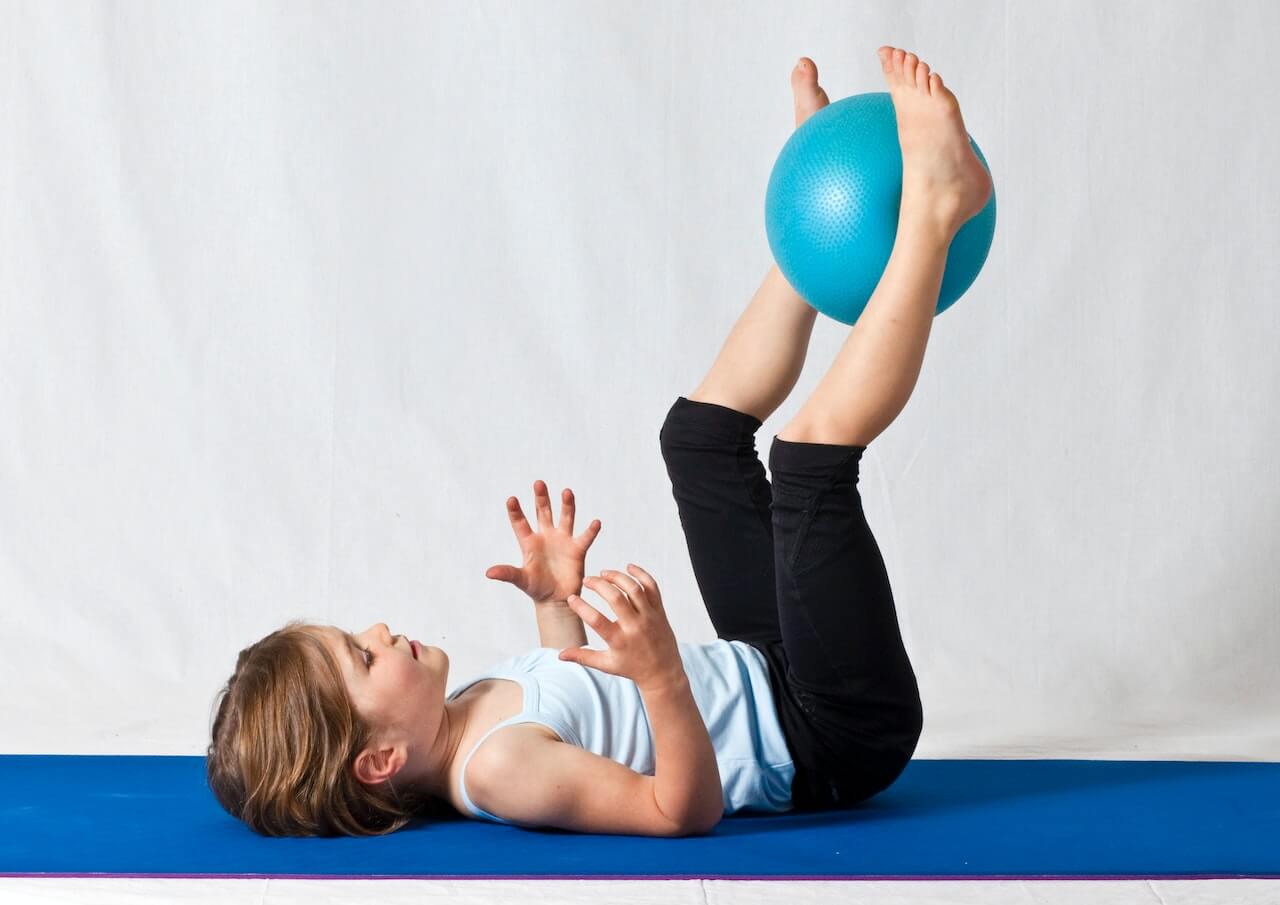
Anyone can do yoga. People of different ages and fitness levels can learn and modify it. Many schools already include it in their physical education curriculum.
Yoga requires so little equipment that kids can learn and practise it in their own classrooms, play areas, or anywhere else. They can do it at home, before or after school, or even during break times.
Kids can benefit from yoga. It involves mindfulness exercises, yoga postures, and breathing methods. Kids can become more energetic, thoughtful, and flexible through training in yoga poses, conscious breathing, and present-moment awareness.
The practice of yoga promotes mental clarity and improved health. Continue reading to find out more.
How Kids Pick Up Social Skills
From an early age, kids start learning critical social skills. Toddlers frequently join play groups under the watchful gaze of adoring mothers and fathers to develop their social skills. As they attend academic settings for the first time, preschool-aged children start to distance themselves a little from their families.
Children continue to develop crucial social skills like making friends, sharing, and diffusing conflict when they move on to primary school. Sports, clubs, and other extracurricular activities are frequently fantastic settings for kids to practise social skills in a more laid-back setting.
The same is true with yoga. Children who take part in yoga sessions develop excellent social skills in a secure setting with both adults and other children.
Acknowledgment
Yoga’s fundamental principle is acceptance. Any child who wants to practise yoga may do so without fear of condemnation or exclusion. All children are encouraged to work to the best of their abilities and be accepted for who they are, regardless of their size or shape.
Children learn to halt and reposition their bodies when they feel pain. Children gain an understanding of the value of individual diversity in both themselves and others in this kind of environment.
They will learn not to criticise others as they come to understand that yoga class is a place where they won’t be judged.
Confidence
Yoga positions can be challenging. They demand practice, strength, and good balance. Children may feel they can’t succeed when they start practising. Children’s self-confidence grows as they advance because they succeed at their postures.
Children will also learn how to reflect on themselves and meditate. Positive feelings and thoughts can overcome negative ones with the use of meditation.
Kids who practise yoga will start to feel powerful and secure because they understand they can rely on their bodies and minds for comfort, agility, and strength.
Compassion
Many young people live egocentric lives, focusing solely on themselves. Children frequently find it challenging to understand another person’s perspective in times of conflict.
Children learn that sometimes you have to give a bit to resolve problems when they start to develop empathy for others. Children who practise yoga learn empathy as they assist one another through poses, engage in cooperative games, and acknowledge achievements.
Yoga teachers also use stories to teach empathy, giving the children a chance to consider and discuss what they would do in particular circumstances. Children will gradually come to understand the advantages of empathetic behaviour.
Conclusion
Children’s Yoga classes can be an invaluable tool for parents and educators to improve the social skills of children.
It can help children develop self-confidence, learn to focus and be mindful, interact with others, and practise healthy communication techniques. These skills are essential for developing positive relationships and thriving in a social environment.
Yogamoo offers excellent children’s yoga in Surrey! We run yoga workshops and supply pregnancy yoga, beginners yoga & baby yoga books, and CDs. Contact us today to book a session!


Leave A Comment