
How Can We Teach Elements of Philosophy to Children
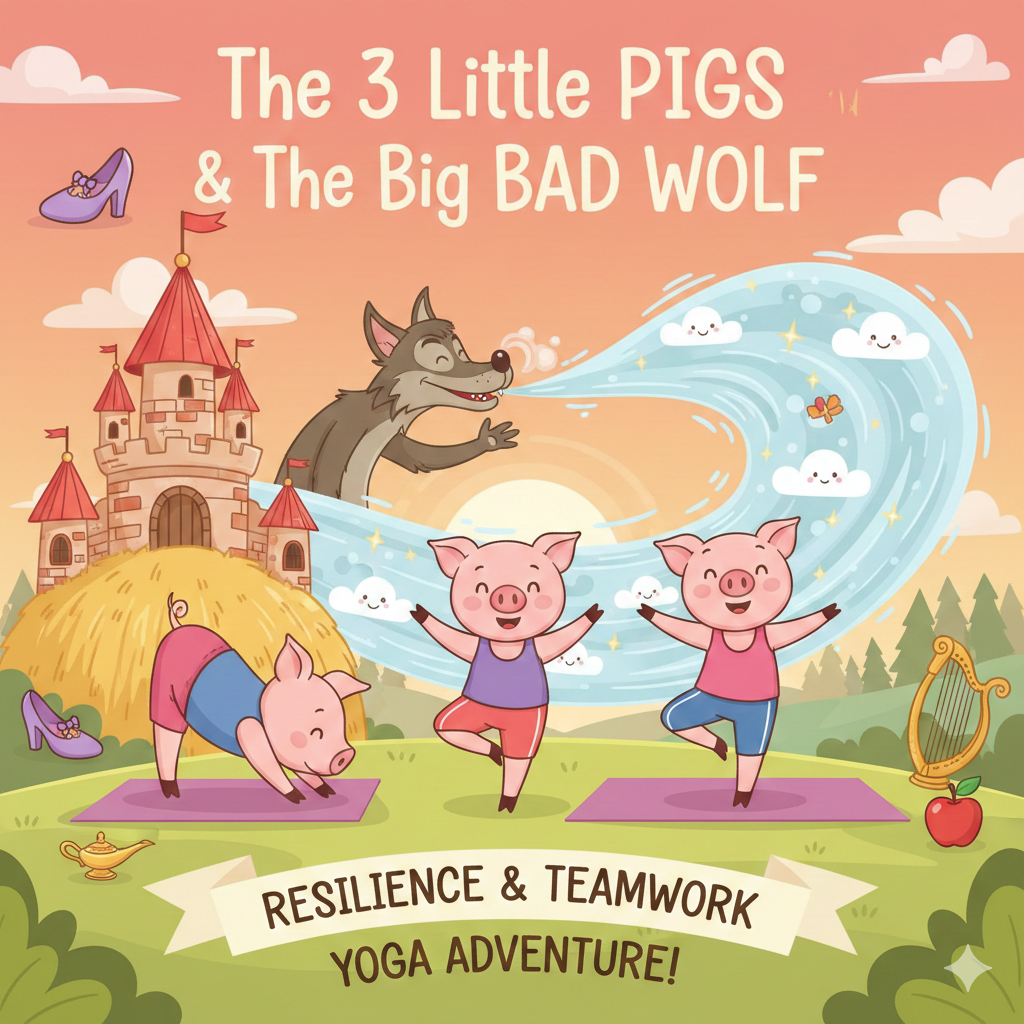
Yoga is a holistic practice that promotes physical, mental, and emotional well-being. In recent years, yoga has become increasingly popular among children as a form of exercise and relaxation. However, the benefits of yoga go beyond the physical aspect, and incorporating philosophy into children's yoga classes can help children develop important life skills and enhance their overall well-being.
Philosophy is the study of fundamental questions about existence, values, knowledge, and reality. Incorporating philosophy into children's yoga classes means introducing concepts such as mindfulness, gratitude, and compassion to help children understand themselves and the world around them. By combining yoga with philosophy, children can learn valuable life skills that will help them cope with challenges and lead a more fulfilling life.
Here are some of the key reasons why incorporating philosophy in children's yoga classes is beneficial:
- Cultivate Mindfulness: Mindfulness is the practice of being fully present and aware of the present moment. By incorporating mindfulness into yoga classes, children can learn to focus on their breath and body, which can help reduce stress, anxiety, and improve their overall mental health. Overtime, meditation teaches that ‘we are not our thoughts', an important distinction that allows us to create distance between our ‘self' and our thoughts.
- Foster Gratitude: Gratitude is the quality of being thankful and appreciative. By incorporating gratitude into yoga classes, children can learn to appreciate the present moment and develop a positive attitude towards life. Gratitude practice eventually leads to ‘positivity bias', a positive neurowiring when one consistently looks out for the good. This results in can-do attitude, willingness to trying new things and builds resilience.
- Develop Compassion: Compassion is the ability to understand and empathise with others. By incorporating compassion into yoga classes, otherwise called ‘Heartfulness' by Jon Kabat Zin, children can learn to be kind to themselves and others, which can improve their relationships to self and others; and overall their wellbeing, their experience of life, and equilibrium.
- Build Self-Awareness: Self-awareness is the ability to understand one's thoughts, feelings, and behaviours. By incorporating self-awareness into yoga classes, children can learn to recognise their emotions and thoughts, which can help them regulate their behaviour, work as a team; and improve their decision-making skills.
- Enhance Emotional Intelligence: Emotional intelligence is the ability to recognize and manage one's emotions and the emotions of others. By incorporating emotional intelligence into yoga classes, children can learn to communicate effectively, develop empathy, and build healthy relationships. According to a study by Marc Brackett, Stanford Professor and author of the book ‘ Permission to Feel', higher emotional intelligence or ‘granularity' also correlates with higher academic results
Incorporating philosophy into children's yoga classes can help children develop important life skills that will benefit them both in the short and long term. By learning to be mindful, grateful, and compassionate, children can improve their mental health, build positive relationships, and lead a more fulfilling life. Therefore, it is essential to include philosophy in children's yoga classes to promote a more holistic and well-rounded approach to the practice of yoga.
Yogamoo Children Yoga Teacher Training incorporate Philosophy as a fundamental pillar of the course methodology. For more information about this, please see https://yogamoo.com/the-formula/


Leave A Comment