
Yoga for Children: The Importance of Proper Teacher Training
As the popularity of yoga continues to grow, so does the demand for qualified children's yoga teachers. But what exactly should be covered in a children's yoga teacher training course? This blog post will explore the essential topics that should be covered to ensure that children's yoga teachers are prepared to provide a safe, engaging, and effective yoga experience for children of all ages.
- Child Development and Physiology: Understanding the unique physical and developmental needs of children is crucial for designing age-appropriate yoga classes. This includes knowledge of the different schools of thoughts in children psychology, an understanding of the stages of childhood development; and understanding of what children can and can't do at various ages physically and mentally, with an overview of KS1 and KS2 curriculum (terminology used in UK Schools to denote Infant and Junior school curriculum). Your Teacher Training may also include basic knowledge of a child's motor, respiratory, and hormonal systems when relating to yoga practice as well as functioning of the nervous system. You should not however expect in-depth anatomy which is covered in longer courses such as 200H Full Yoga TTC for Adults.
- Yoga Techniques and Postures: Children's yoga teachers should be trained in a variety of yoga techniques, including asanas (postures), pranayama (breathing exercises), and relaxation techniques. They should also be trained to modify postures for children with different levels of physical ability.
- Class Planning and Management: Children's yoga teachers should be trained in effective class planning, including how to create lesson plans that are both fun and educational for children. They should also be trained in effective classroom management techniques, including how to create a safe and supportive learning environment for children, how to set expectations and set the children up for success. Teaching Methodology should cover generic lesson plan structure as well as ways to vary material and shake things up every so often to keep children engaged.
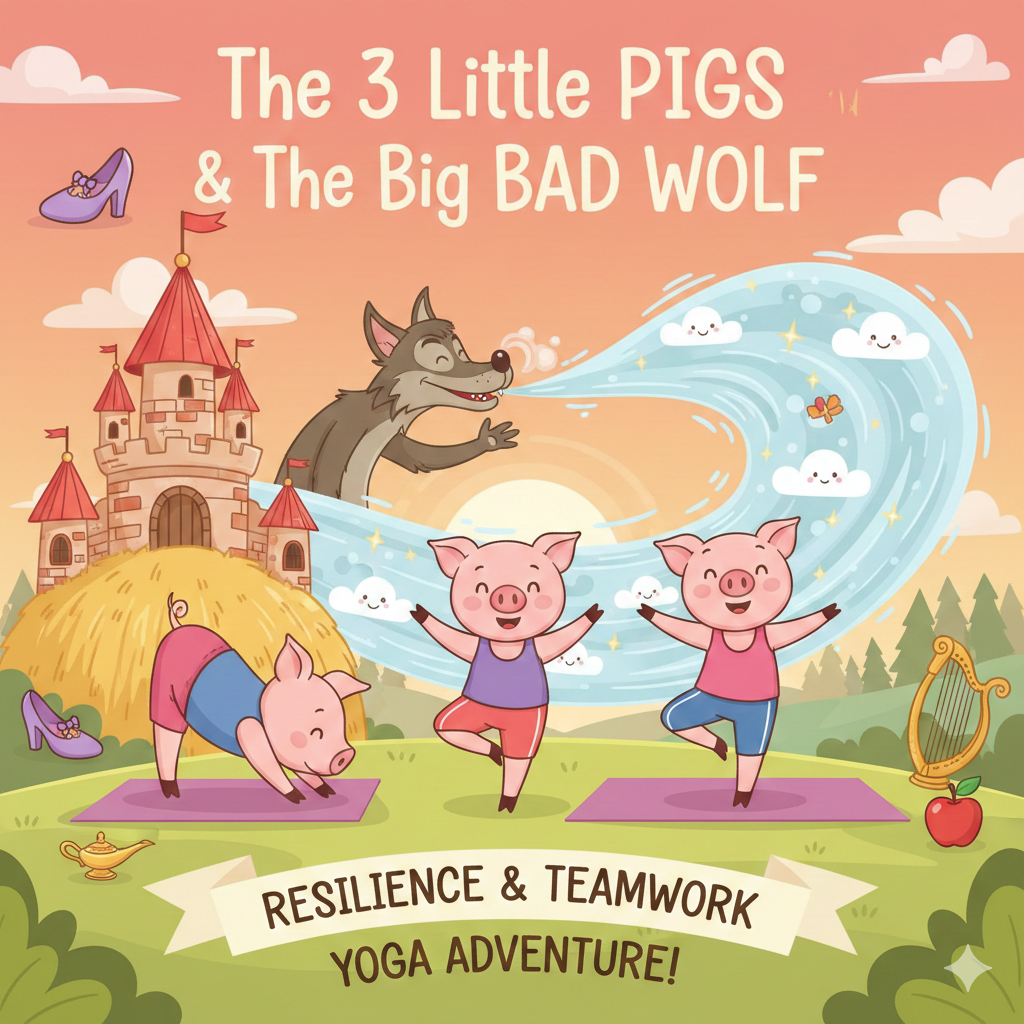
- The Art of Teaching Yoga to Children: Children's yoga teachers should be trained in the unique art of teaching yoga to children. This includes understanding how to engage children in the practice, how to make yoga accessible and fun for children, and how to incorporate storytelling and play into classes. Adult Yogis may have an artificial view of what Yoga for Children is. Do speak to your training provider to understand their Ethos about what a Children Yoga class is for them.
- Ethics and Safety: Children's yoga teachers should be trained in the ethical considerations of working with children, including informed consent, GDPR data protection, confidentiality, and boundaries. They should also be trained in basic first aid, safeguarding, and emergency procedures. Risk assessment will often be required when hiring a venue.
In conclusion, a children's yoga teacher training course should provide a comprehensive education in the unique needs and skills involved in teaching yoga to children. By covering the topics outlined above, children's yoga teachers can ensure that they are providing a safe, effective, and enjoyable yoga experience for children of all ages.


Leave A Comment